
Artifact 1: Suicide Risk Assessment and Intervention Protocol (SAFE-T and C-SSRS)
Rationale:
Effective suicide risk assessment is essential for all mental health counselors, especially
when working in Pennsylvania, where state regulations emphasize client safety and crisis
intervention. The SAFE-T (Suicide Assessment Five-Step Evaluation and Triage) model,
used alongside the Columbia-Suicide Severity Rating Scale (C-SSRS), provides a
structured, evidence-based approach to assessing risk factors, protective factors, and
appropriate interventions. This artifact ensures that I will be prepared to conduct thorough,
ethically sound risk assessments, document them properly, and follow mandated
reporting procedures when clients are at imminent risk.
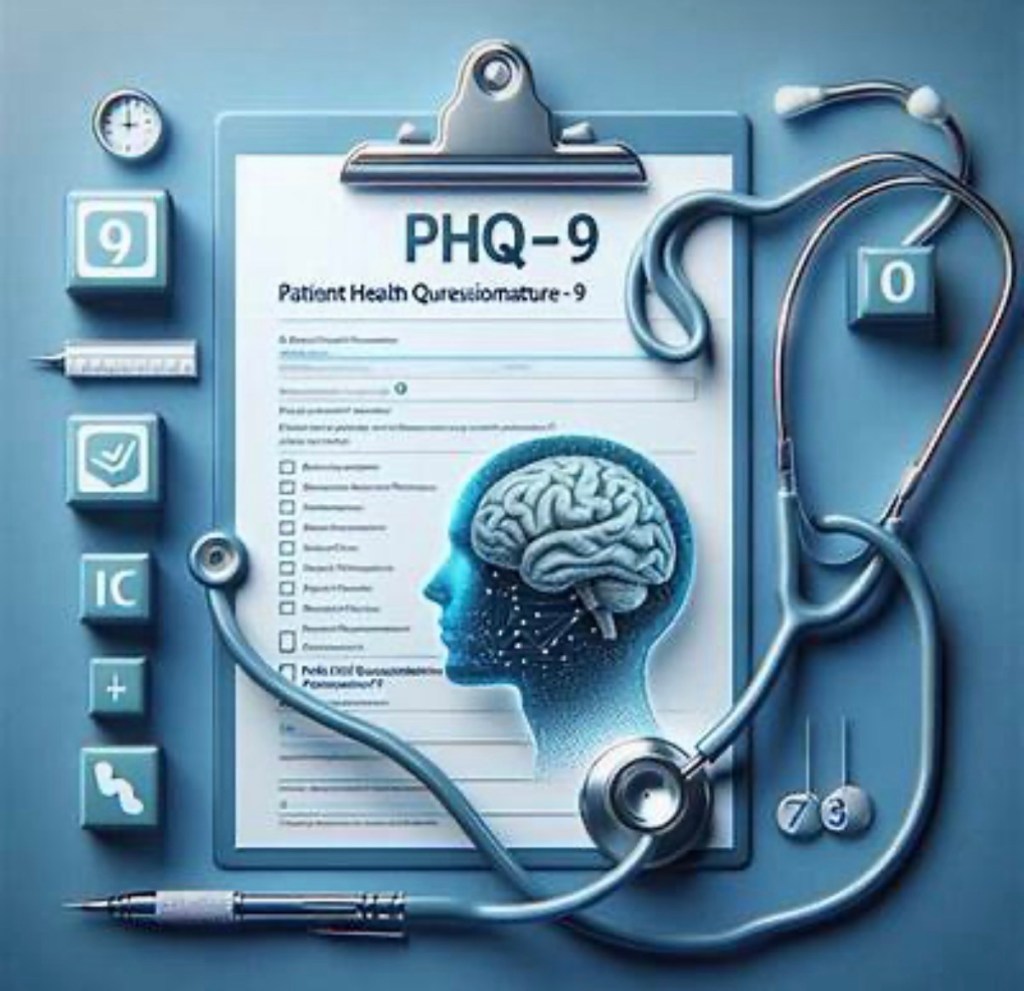
Artifact 2: Counseling Outcome Measurement Tools (PHQ-9 and GAD-7)
Rationale:
In professional counseling practice, tracking client progress through outcome measurement tools is essential for data-driven and ethical treatment. The Patient Health Questionnaire-9 (PHQ-9) and Generalized Anxiety Disorder-7 (GAD-7) scales are widely validated and easy to implement in clinical settings. These tools will help me measure client symptom changes, adjust treatment plans as needed, and provide quantifiable data to demonstrate treatment effectiveness to supervisors, agencies, and insurance providers. Consistent use of these instruments aligns with best practices and helps ensure accountability in client care.

Artifact 3: Counseling Intervention Toolkit (CBT and Mindfulness Resources)
Rationale:
A personalized Counseling Intervention Toolkit that includes cognitive-behavioral techniques, mindfulness exercises, grounding strategies, and distress tolerance skills will allow me to respond effectively to clients’ diverse needs. This resource will include worksheets, psychoeducation materials, and step-by-step intervention guides. Having this toolkit on hand will support flexible, evidence-based, and client-centered care—particularly valuable when working with individuals experiencing anxiety, depression, or trauma-related symptoms in outpatient and community mental health settings.
https://www.therapistaid.com/tools/cbt

Artifact 4: Cultural Formulation Interview (CFI) – DSM-5-TR
Rationale:
The Cultural Formulation Interview (CFI) from the DSM-5-TR provides a structured method for assessing how clients’ cultural identities, experiences, and values influence their presenting concerns. As a counselor practicing in Pennsylvania, where cultural diversity is significant across urban and rural populations, the CFI will help ensure that my assessments and interventions are culturally responsive and inclusive. Incorporating this tool into my professional practice supports the ACA Code of Ethics’ mandate for cultural competence and respect for clients’ worldviews.

Artifact 5: Case Conceptualization and Treatment Planning Template
Rationale:
A Case Conceptualization Template grounded in Cognitive Behavioral Therapy (CBT) will guide the process of organizing client data, identifying underlying themes, and linking assessment findings to treatment goals. This artifact will ensure that my clinical documentation is clear, consistent, and aligned with theoretical orientation. It also facilitates supervision discussions, ethical treatment planning, and compliance with Pennsylvania’s clinical documentation standards for licensed professional counselors (LPCs).
These selected artifacts will serve as essential tools as I begin my professional journey as a Mental Health Counselor in Pennsylvania. Each resource reflects key counseling competencies: risk assessment, evidence-based intervention, outcome evaluation, cultural responsiveness, and ethical treatment planning. Collectively, they form a foundation for effective, client-centered, and accountable clinical practice.
https://positivepsychology.com/case-conceptualization-examples/
https://positivepsychology.com/mental-health-treatment-plans/





 Nancy Hickok, M.A., BSL